
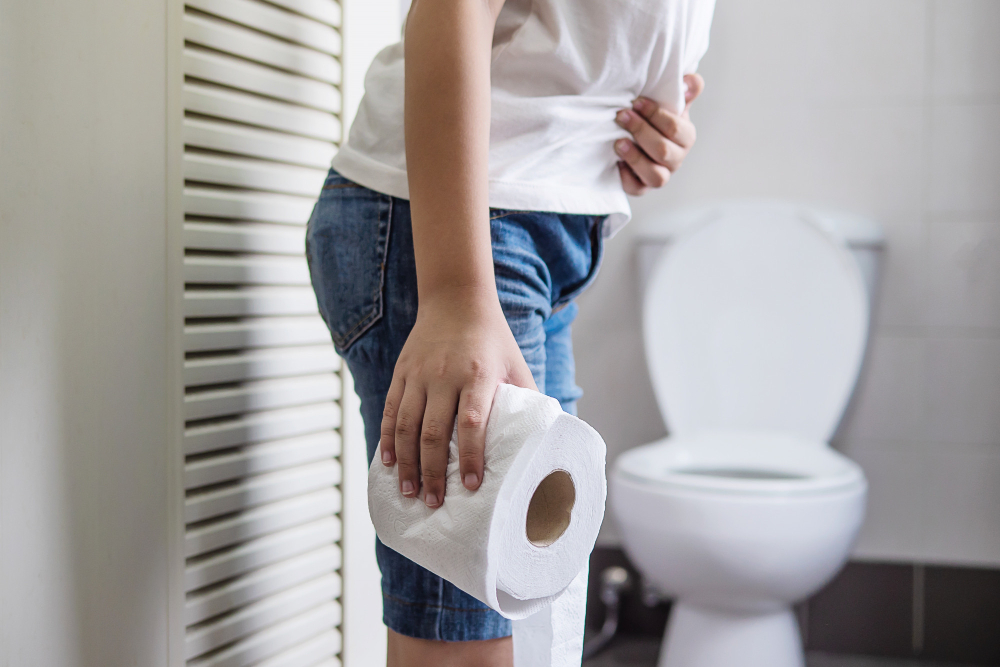
What Are Piles?
Piles, also called hemorrhoids, are swollen veins in the lower part of the rectum or anus. They can cause pain, itching, and bleeding. Many people feel embarrassed to talk about piles. However, they are common and can affect anyone. Knowing how to prevent piles is important for your comfort and health.
Why Prevention Matters
Preventing piles is easier than treating them. Once piles develop, they can cause discomfort and may need medical care. In many cases, simple lifestyle changes can help you avoid piles. By making small changes, you can lower your risk and stay healthy. According to the World Health Organization (WHO), good habits can prevent many digestive problems, including piles.
Key Lifestyle Changes to Prevent Piles
There are several easy ways to prevent piles naturally. These changes can fit into your daily routine. For best results, try to follow them every day.
Diet Tips for Pile Prevention
What you eat plays a big role in preventing piles. A healthy diet helps your body work well and keeps your bowels moving smoothly. Here are some simple tips:
With these diet changes, you can help prevent piles and improve your overall health.
Exercise and Daily Habits
Staying active is another key way to avoid piles. Regular movement helps your bowels work better. Even simple activities can make a difference.
By following these daily habits, you lower your risk of piles and support your health.
When to Seek Medical Advice
Sometimes, piles can still develop even with good habits. If you notice bleeding, pain, or swelling near your anus, you should talk to a doctor. Also, if your symptoms do not improve with home care, seek medical help. Early treatment can prevent problems from getting worse. Remember, doctors are there to help you feel better and stay healthy.
Conclusion & Call-to-Action
In summary, you can prevent piles with simple lifestyle changes. Eating more fiber, drinking water, staying active, and practicing good bathroom habits all help. These steps are easy to follow and can make a big difference. If you have concerns or symptoms, consult a healthcare professional for personalized advice on preventing piles.