
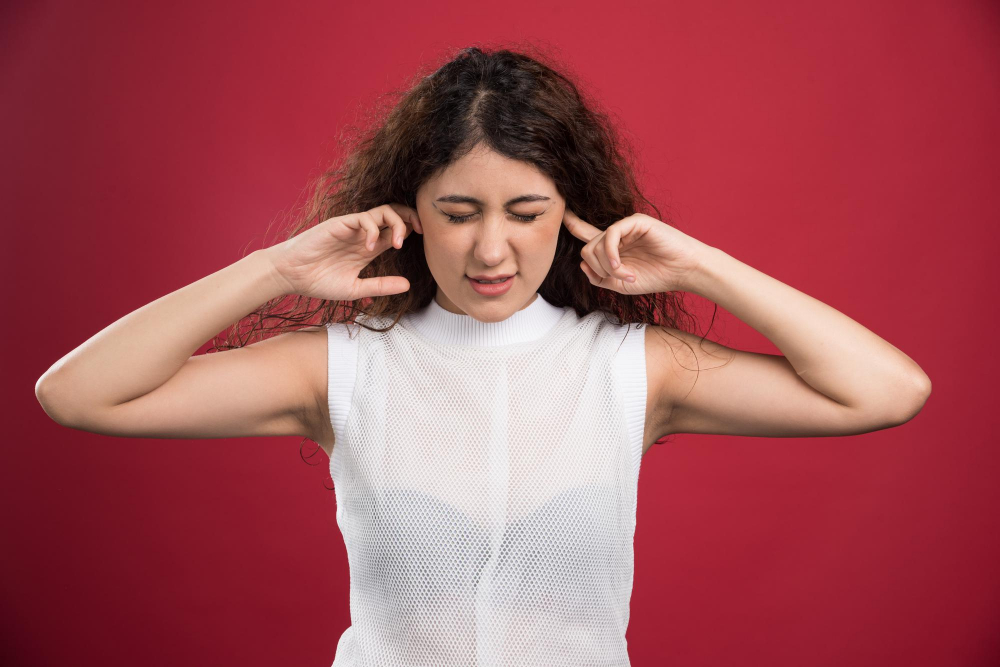
What is Misophonia?
Misophonia is a condition where certain sounds cause strong emotional reactions. These reactions can include anger, anxiety, or even panic. For many people, misophonia triggers a ‘fight or flight’ response. This means their body reacts as if it is in danger, even though the sound is harmless. Although misophonia is not very common, it can affect daily life. People with misophonia often avoid places or situations where they might hear these sounds. According to recent studies, misophonia is gaining more attention in the medical community. The World Health Organization and other experts are working to understand it better.
Common Triggers and Symptoms
Many everyday sounds can trigger misophonia. However, not everyone reacts to the same noises. Some of the most common misophonia triggers include:
When someone hears these sounds, they may feel:
Sometimes, these symptoms can make social situations hard. For example, eating with others may become stressful. But with the right support, people can learn to cope.
The Science: Why Certain Sounds Cause a ‘Fight or Flight’ Response
Scientists are still learning about misophonia. However, research shows that the brain reacts differently to certain sounds in people with misophonia. For instance, the part of the brain that controls emotions, called the amygdala, becomes very active. This triggers the body’s ‘fight or flight’ response. As a result, the person feels a rush of stress hormones. This reaction is similar to what happens when someone faces real danger. According to studies published in medical journals, this response is not a choice. Instead, it is automatic and hard to control. Because of this, misophonia is a real and serious condition.
Diagnosis and How Misophonia is Identified
Doctors diagnose misophonia by asking about symptoms and triggers. There is no single test for misophonia. Instead, a specialist may:
Sometimes, hearing tests are done to rule out other problems. Early diagnosis can help people find the right support. If you notice strong reactions to certain sounds, it is important to talk to a healthcare provider. They can help guide you to the right care.
Current Treatment Options and Coping Strategies
Although there is no cure for misophonia, several treatments can help. Many people benefit from a mix of therapies. Some common options include:
In addition, some people use earplugs or headphones to block triggers. However, it is important to work with a specialist. They can help find the best plan for each person. According to the CDC, early support can improve quality of life.
Lifestyle Tips for Managing Misophonia
Living with misophonia can be challenging. Yet, simple changes can make a big difference. Try these tips to manage daily life:
Moreover, keeping a diary of triggers can help spot patterns. This information can be useful when talking to a doctor. With practice, many people find ways to cope better.
Prevention and When to Seek Help
Currently, there is no known way to prevent misophonia. However, early support can stop symptoms from getting worse. If you notice that certain sounds cause strong emotional reactions, do not ignore them. Instead, reach out to a healthcare provider. They can help rule out other issues and suggest helpful strategies. In some cases, seeing a mental health specialist may be needed. Remember, you are not alone. Many people live with misophonia and find ways to manage it.
For personalized guidance on misophonia, consult a specialist. Early help can make a big difference in your daily life.