
What is Tinnitus?
Tinnitus is a condition where you hear sounds that are not present in your environment. Often, people describe these sounds as ringing, buzzing, or hissing. Although these noises are not dangerous, they can be annoying. For many, tinnitus affects daily life. According to the World Health Organization (WHO), millions of people worldwide experience tinnitus. Because of this, finding relief is important for many.
Common Symptoms of Tinnitus
People with tinnitus may notice different types of sounds. For example, you might hear:
Sometimes, these sounds come and go. However, for others, they are constant. In addition, tinnitus can make it hard to focus or sleep. Over time, it may even cause stress or anxiety.
Causes and Risk Factors
There are many causes of tinnitus. Most often, it is linked to hearing loss. However, other factors can also play a role. For instance, you may develop tinnitus after:
Additionally, some people are more at risk. For example, older adults and those who work in noisy places may notice symptoms more often.
How Hearing Aids Work
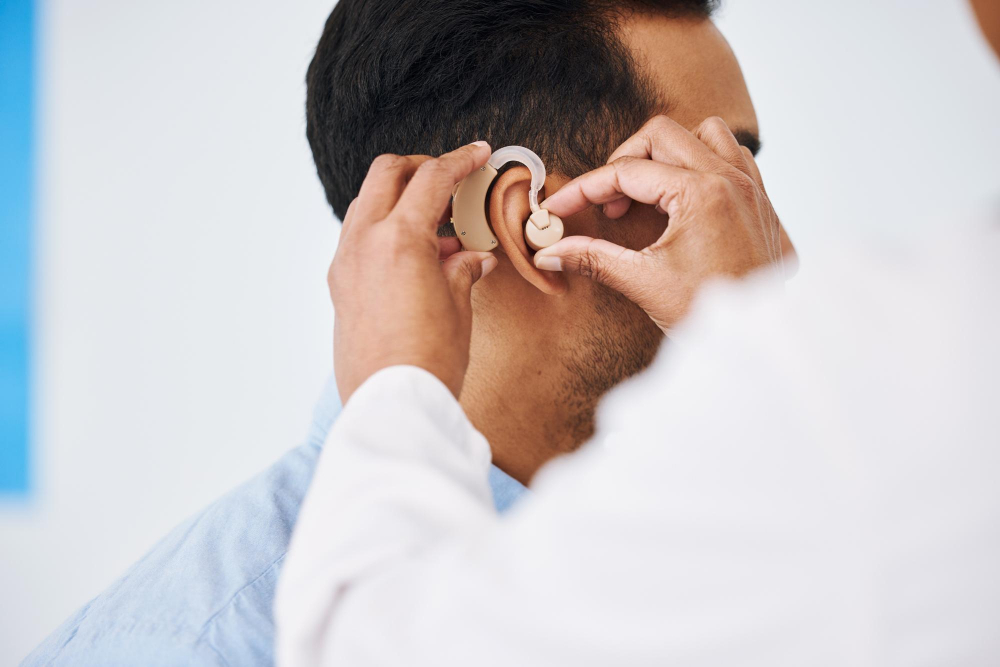
Hearing aids are small devices worn in or behind the ear. They make sounds louder, helping people hear better. Because they boost outside sounds, hearing aids can make it easier to follow conversations. In recent years, hearing aids have become more advanced. Now, many models offer features for tinnitus management as well.
How Hearing Aids Can Help with Tinnitus Relief
Many people wonder how hearing aids help tinnitus. First, hearing aids make background sounds clearer. As a result, the brain pays less attention to the ringing or buzzing. In addition, some hearing aids have built-in sound therapy. For example, they may play soft white noise or calming tones. This can help mask tinnitus and provide relief. According to the American Tinnitus Association, hearing aids for tinnitus relief are often effective, especially for those with hearing loss.
Benefits and Limitations of Hearing Aids for Tinnitus
Hearing aids offer many benefits for tinnitus management. Some key advantages include:
However, hearing aids are not a cure. While they help many people, some may still notice tinnitus at times. Also, not everyone with tinnitus needs a hearing aid. For best results, talk to a hearing specialist about your needs.
Tips for Choosing the Right Hearing Aid
Choosing the best hearing aids for tinnitus can feel confusing. But, a few tips can help:
Above all, make sure your hearing aid matches your lifestyle and needs.
Lifestyle Advice and Prevention Tips
Besides using hearing aids, you can take steps to manage tinnitus. For example:
Additionally, staying positive and seeking support can make a big difference.
When to Consult a Hearing Specialist
If you notice ringing or buzzing in your ears, do not ignore it. Especially if it lasts more than a few days, see a hearing specialist. Early help can prevent symptoms from getting worse. Furthermore, a specialist can recommend the best hearing aids for tinnitus and other relief options. Many hearing aid clinics near you offer free hearing tests and advice.
In summary, hearing aids and tinnitus are closely linked. With the right support, you can find relief and enjoy better hearing. Consult a hearing specialist for personalized tinnitus relief options.