
Introduction
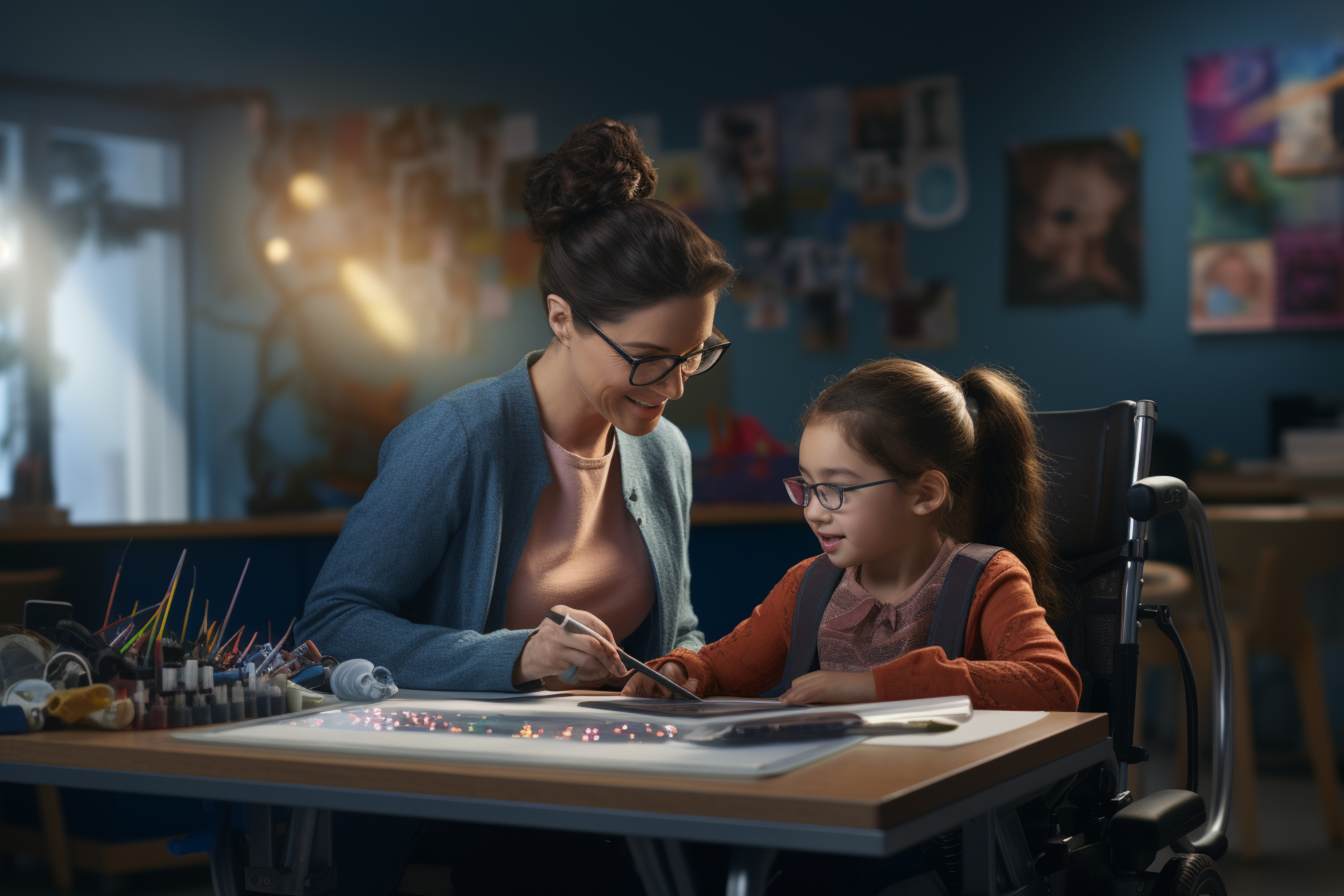
Special educators play a key role in helping children with autism, ADHD, and Down syndrome learn better. They use tailored teaching methods to meet each child’s unique needs. Because every child learns differently, special educators create plans that help children grow and succeed. In many schools, these experts work closely with families and other professionals. As a result, children get the support they need to reach their full potential.
Understanding Autism, ADHD, and Down Syndrome
First, it helps to know what these conditions mean. Autism, or Autism Spectrum Disorder, affects how a child communicates and interacts with others. ADHD stands for Attention Deficit Hyperactivity Disorder. Children with ADHD may have trouble paying attention or sitting still. Down syndrome is a genetic condition that affects learning and physical growth. While each child is unique, these conditions can make learning in a regular classroom harder. Therefore, special education for autism, ADHD, and Down syndrome is important.
Challenges Faced by Children with These Conditions
Children with autism, ADHD, or Down syndrome often face special challenges at school. For example, they may:
Because of these challenges, many children need extra support to succeed in school.
How Special Educators Support Learning
Special educators use many strategies to help children with autism, ADHD, and Down syndrome. For instance, they may:
In addition, special educators often work with speech therapists, occupational therapists, and counselors. This teamwork helps address all areas of a child’s development. Moreover, they keep families involved by sharing progress and tips for learning at home. Many special educators in cities and towns also offer support outside of school hours.
Benefits of Specialized Education
With the right support, children with autism, ADHD, and Down syndrome can make great progress. Some benefits of specialized education include:
According to the CDC, early and tailored support can help children reach important milestones. Therefore, special education for autism, ADHD, and Down syndrome is vital for long-term success.
Tips for Parents and Caregivers
Parents and caregivers play a big part in a child’s learning journey. Here are some helpful tips:
Above all, remember that every child learns at their own pace. With support, children can achieve more than you might expect.
Conclusion and Call-to-Action
In summary, special educators help children with autism, ADHD, and Down syndrome learn better by using tailored teaching methods and strong support. They work with families and other experts to create the best learning environment. If you have concerns about your child’s learning, consult a qualified special educator or healthcare professional for personalized support and guidance.