
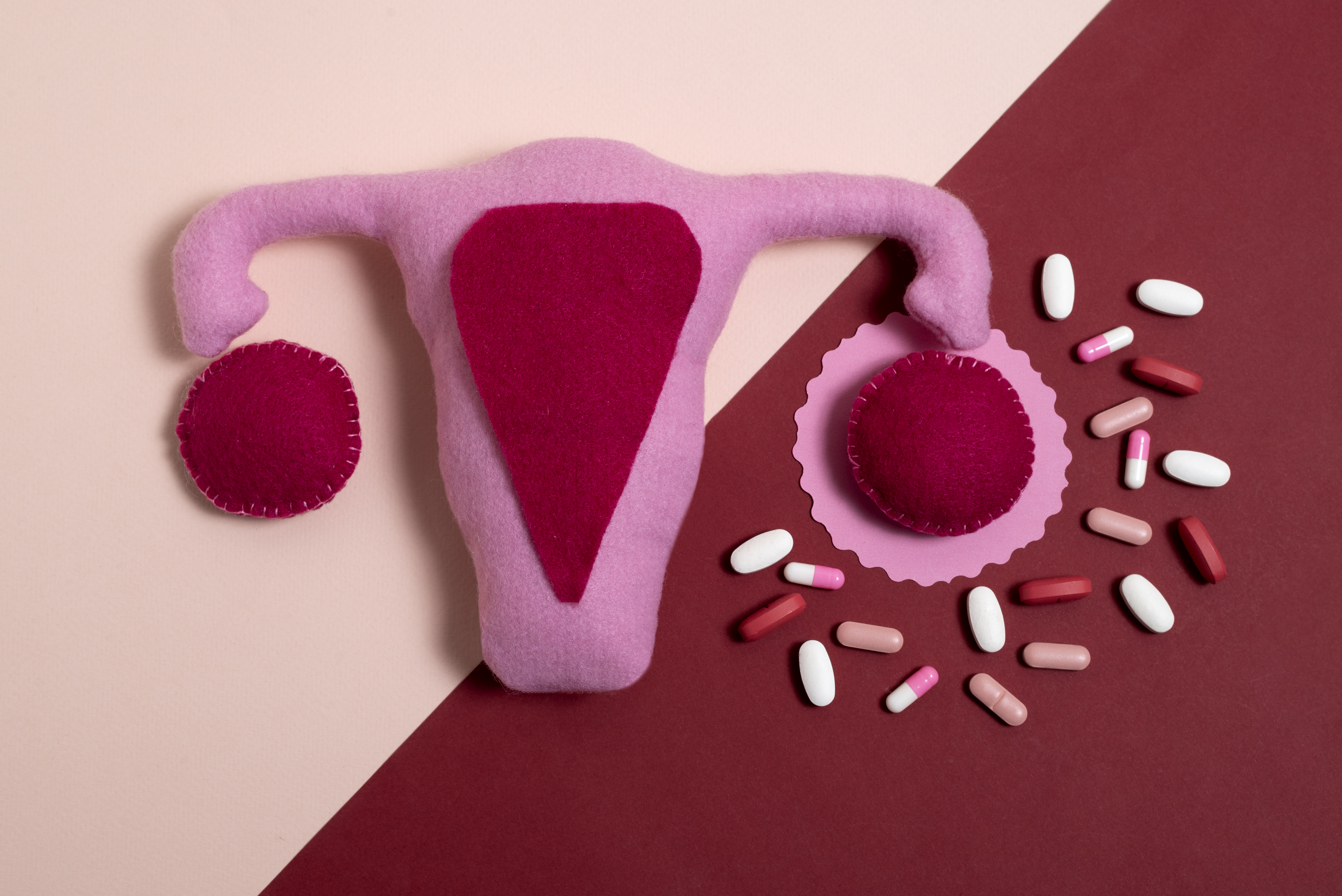
Adenomyosis is a condition where tissue from the lining of the uterus grows into the muscle wall. This causes the uterine wall to thicken. Many women wonder how adenomyosis and fertility are linked. In fact, uterine wall thickening can change the embryo environment. This may affect embryo implantation and pregnancy. Understanding adenomyosis and pregnancy is important for women trying to conceive. In this blog, we will explain how uterine wall thickening affects fertility and what you can do about it.
What is Adenomyosis?
Adenomyosis happens when the inner lining of the uterus, called the endometrium, grows into the muscle layer of the uterus. As a result, the uterine wall becomes thick and swollen. This thickening can cause pain and heavy periods. Although the exact cause is not clear, it often affects women in their 30s and 40s. Sometimes, it can also be seen in younger women.
How Adenomyosis Affects Fertility
For many women, adenomyosis can make it harder to get pregnant. The thickened uterine wall changes the environment where the embryo tries to implant. Because of this, the chances of a successful pregnancy may drop. Let’s look at how this happens:
Because of these changes, women with adenomyosis may face more trouble with fertility. However, many women with this condition still become pregnant, especially with the right care.
Symptoms and Diagnosis
Many women with adenomyosis have symptoms, but some do not. Common signs include:
To diagnose adenomyosis, doctors may use:
Early diagnosis can help manage symptoms and support fertility goals.
Treatment Options
Treatment for adenomyosis depends on your symptoms and plans for pregnancy. Options include:
It is important to talk to your doctor about the best treatment for your needs, especially if you wish to have children.
Lifestyle and Prevention Tips
While you cannot always prevent adenomyosis, some steps can help manage symptoms and support fertility:
Additionally, regular check-ups can help catch problems early. If you have a family history of uterine problems, share this with your doctor.
When to See a Specialist
If you have heavy periods, severe pain, or trouble getting pregnant, it is time to see a specialist. Early care can make a big difference. A gynecologist or fertility expert can guide you through diagnosis and treatment. Remember, many women with adenomyosis go on to have healthy pregnancies with the right support.
For personalized guidance on adenomyosis and fertility, consult a specialist. They can help you find the best path forward for your health and family goals.