
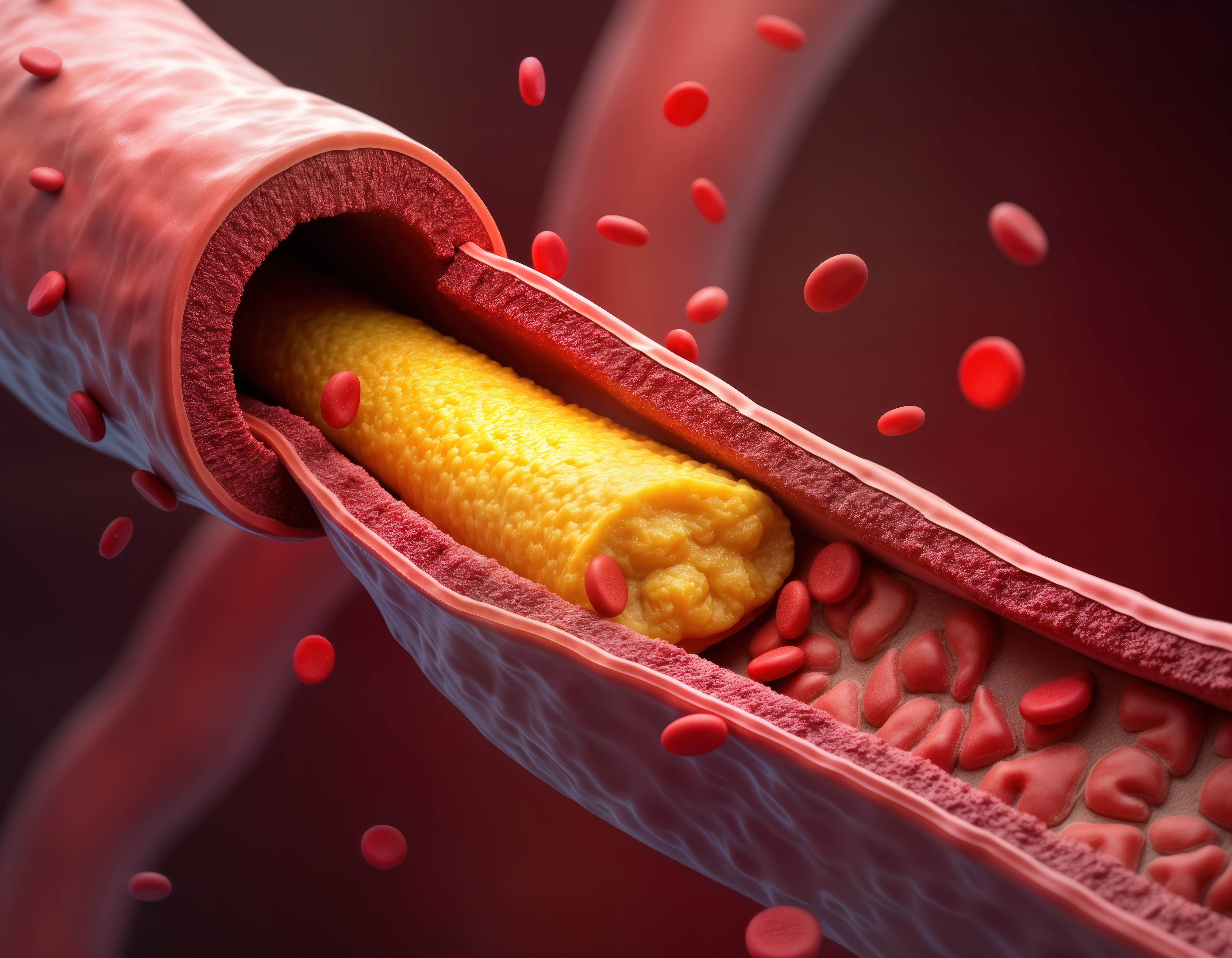
What is Dyslipidemia?
Dyslipidemia means you have abnormal levels of fats in your blood. These fats are called lipids. Most people know them as cholesterol and triglycerides. When these levels are too high or too low, it can harm your health. In fact, dyslipidemia is a major risk factor for heart disease and stroke. Because it often has no symptoms, many people do not know they have it. However, early detection and treatment can help prevent serious problems.
Common Symptoms of Dyslipidemia
Usually, dyslipidemia does not cause any symptoms. Many people discover it only after a blood test. However, in rare cases, very high cholesterol can cause visible signs. For example, you might notice:
Still, most people feel fine. Therefore, regular check-ups are important for early detection.
Causes and Risk Factors
There are many reasons why someone may develop dyslipidemia. Some causes are genetic, while others are linked to lifestyle. For instance, eating foods high in saturated fat can raise cholesterol. But genetics also play a role. Here are common causes and risk factors:
As you can see, both lifestyle and genetics matter. Therefore, knowing your risk can help you take action early.
How Dyslipidemia is Diagnosed
Doctors diagnose dyslipidemia with a simple blood test. This test is called a lipid panel. It measures different types of fats in your blood. The main numbers checked are:
Usually, you need to fast for 9 to 12 hours before the test. After the results, your doctor will explain what the numbers mean. If your levels are not normal, you may need further tests or treatment. Early diagnosis helps lower your heart disease risk.
Treatment Options for Dyslipidemia
Treating dyslipidemia often starts with lifestyle changes. However, some people also need medication. Your doctor will choose the best plan for you. Common treatment options include:
For example, statins help lower LDL cholesterol. Other medicines may target triglycerides or raise HDL. Because each person is different, treatment is tailored to your needs.
Lifestyle Changes and Prevention Tips
Preventing dyslipidemia is possible for many people. Even small changes can make a big difference. Here are some tips to help manage cholesterol and reduce heart disease risk:
Additionally, talk to your doctor about your personal risk. Early action can help prevent serious problems later.
In summary, dyslipidemia is a common but serious health issue. Because it often has no symptoms, regular screening is important. With healthy habits and, if needed, medication, you can manage your cholesterol and protect your heart. Consult a healthcare professional for personalized advice on managing dyslipidemia.