
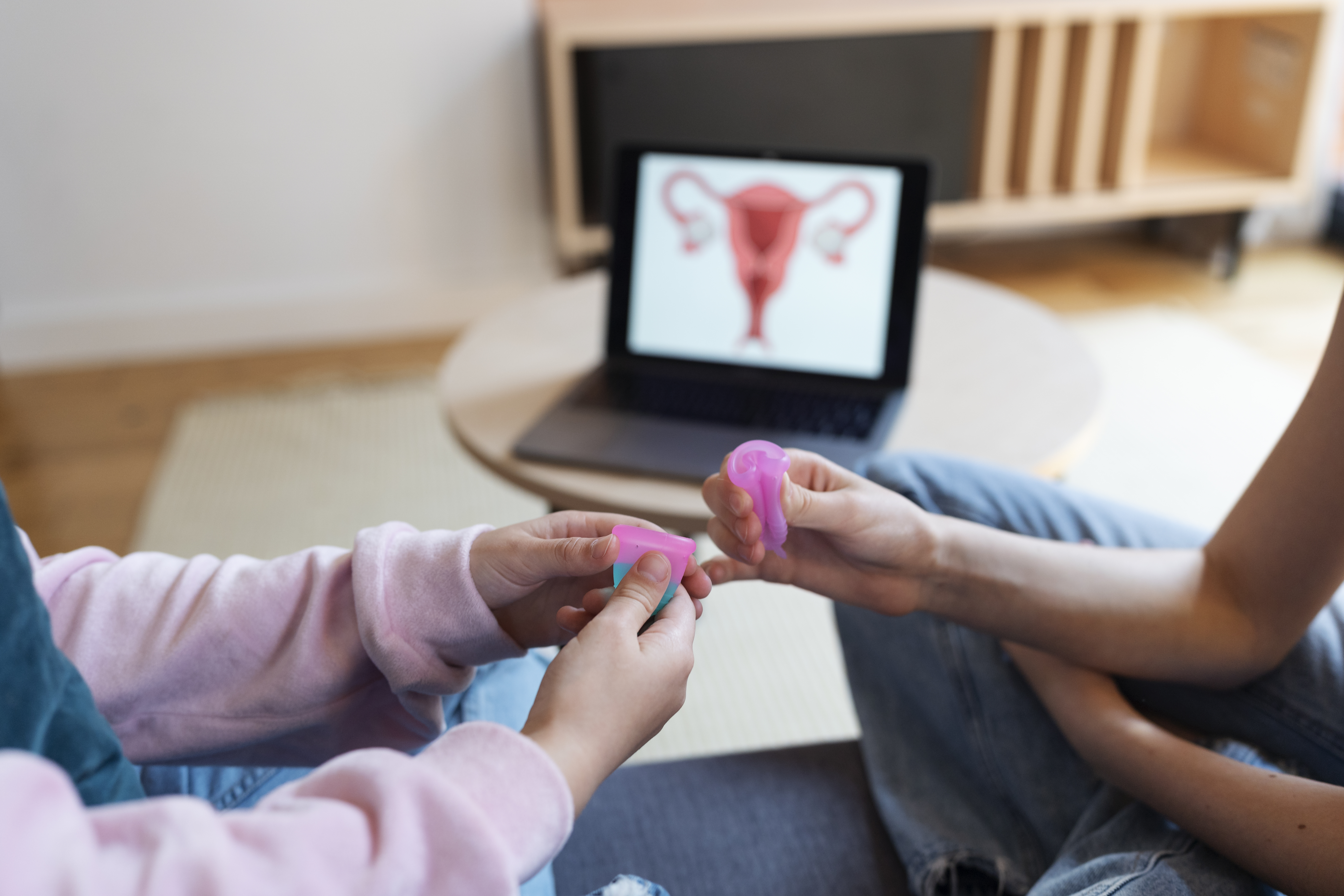
Endometrial receptivity is a key factor in achieving a successful pregnancy. It refers to the ability of the uterus lining, called the endometrium, to accept an embryo. The ‘window of implantation’ is a short period when the endometrial lining is most ready for embryo attachment. Because timing is crucial, understanding this window can help couples trying to conceive.
What is Endometrial Receptivity?
Endometrial receptivity means the uterus lining is ready to accept an embryo. During this time, the endometrial lining for implantation becomes soft and welcoming. For pregnancy to begin, the embryo must attach to the receptive lining. If the lining is not ready, implantation may fail. Therefore, endometrial receptivity is vital for fertility and pregnancy success.
The Science Behind the Window of Implantation
The window of implantation is a brief phase in the menstrual cycle. Usually, it occurs about 6 to 10 days after ovulation. During this window, the endometrial lining changes to support embryo growth. Hormones like estrogen and progesterone play a big role. For example, progesterone helps the lining become thick and rich in nutrients. If the embryo arrives outside this window, it may not implant. Thus, timing is everything for successful embryo implantation.
Key Factors Affecting Endometrial Receptivity
Many things can affect how receptive the endometrial lining is. Some common factors include:
Because these factors matter, it is important to address them when planning a pregnancy.
How is Endometrial Receptivity Assessed?
Doctors use several methods to check endometrial receptivity. Some common ways include:
With these tools, doctors can better plan for successful embryo implantation.
Improving Endometrial Receptivity: Lifestyle and Medical Approaches
There are steps you can take to improve endometrial receptivity. For example, healthy habits and medical care can help. Here are some tips:
Because every person is different, it is best to talk to a fertility specialist for a plan that fits you.
Frequently Asked Questions
For more details, you can visit trusted sources like the CDC or WHO.
Conclusion
Endometrial receptivity and the window of implantation are key for pregnancy success. Because every situation is unique, consult a fertility specialist for personalized advice on endometrial receptivity and pregnancy success.