
Introduction
Epilepsy is a brain condition that causes repeated seizures. Many people wonder, what is epilepsy? It is a disorder where nerve cells in the brain send wrong signals. Because of this, a person may have sudden changes in movement, feelings, or awareness. Although epilepsy can affect anyone, it is more common in children and older adults. With the right care, most people with epilepsy can live full lives.
Causes of Epilepsy
There are many reasons why someone may develop epilepsy. Sometimes, the cause is clear. Other times, doctors cannot find a reason. However, knowing the possible causes can help with treatment.
Even so, in about half of cases, the cause remains unknown.
Symptoms of Epilepsy
Epilepsy symptoms can look different for each person. For example, some people have mild staring spells. Others may have strong shaking movements. But all seizures start in the brain.
Because symptoms vary, it is important to see a doctor if you notice any of these signs.
Diagnosis of Epilepsy
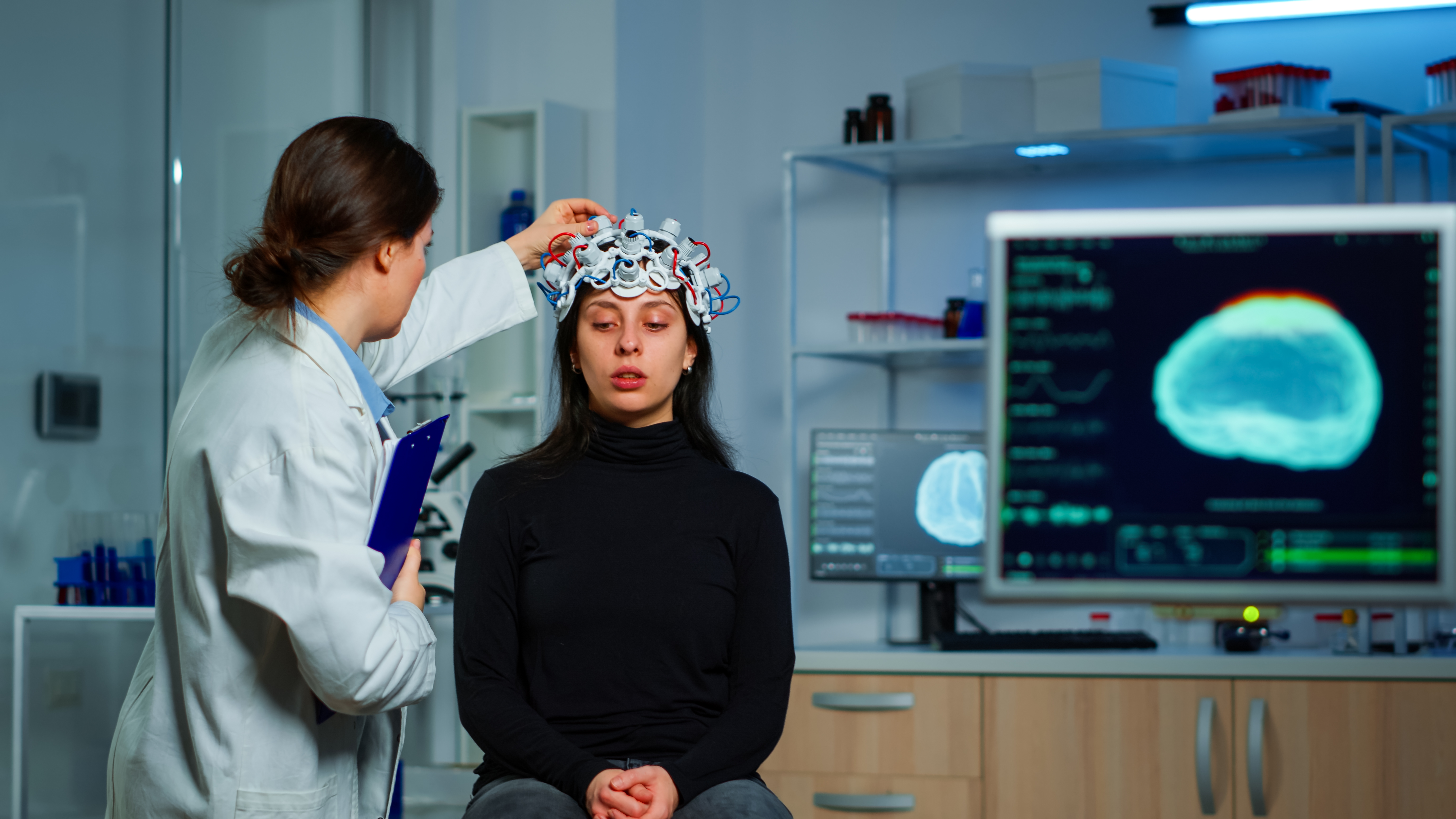
Doctors use several steps to diagnose epilepsy. First, they ask about your medical history and symptoms. Next, they may order tests to check your brain activity. For instance, an EEG (electroencephalogram) records brain waves. This test helps find unusual patterns linked to seizures. In addition, doctors may use brain scans like MRI or CT to look for injuries or tumors. Sometimes, blood tests help rule out other causes. With these tools, doctors can confirm if you have epilepsy.
Treatment Options for Epilepsy
There are many epilepsy treatment options. Most people start with medicine. These drugs help control seizures for about 70% of patients. If medicine does not work, other treatments may help.
Because each person is different, doctors create a plan that fits your needs.
Lifestyle Tips for Living with Epilepsy
Living with epilepsy can be challenging, but many people manage it well. With a few changes, you can lower your risk of seizures and stay safe.
For extra support, you may join local or online epilepsy groups. These groups can offer advice and comfort.
Prevention of Epilepsy
Sometimes, epilepsy cannot be prevented. However, you can lower your risk in some cases. For example, wearing a helmet during sports can prevent head injuries. Treating infections quickly may also help. In addition, managing health problems like high blood pressure can reduce stroke risk. While not all cases are avoidable, these steps may protect your brain.
Conclusion
Epilepsy is a common brain disorder that causes seizures. Although it can be scary, many people live well with the right care. Early diagnosis and treatment make a big difference. If you or someone you know has symptoms, do not wait. Consult a healthcare professional for personalized advice on epilepsy.