
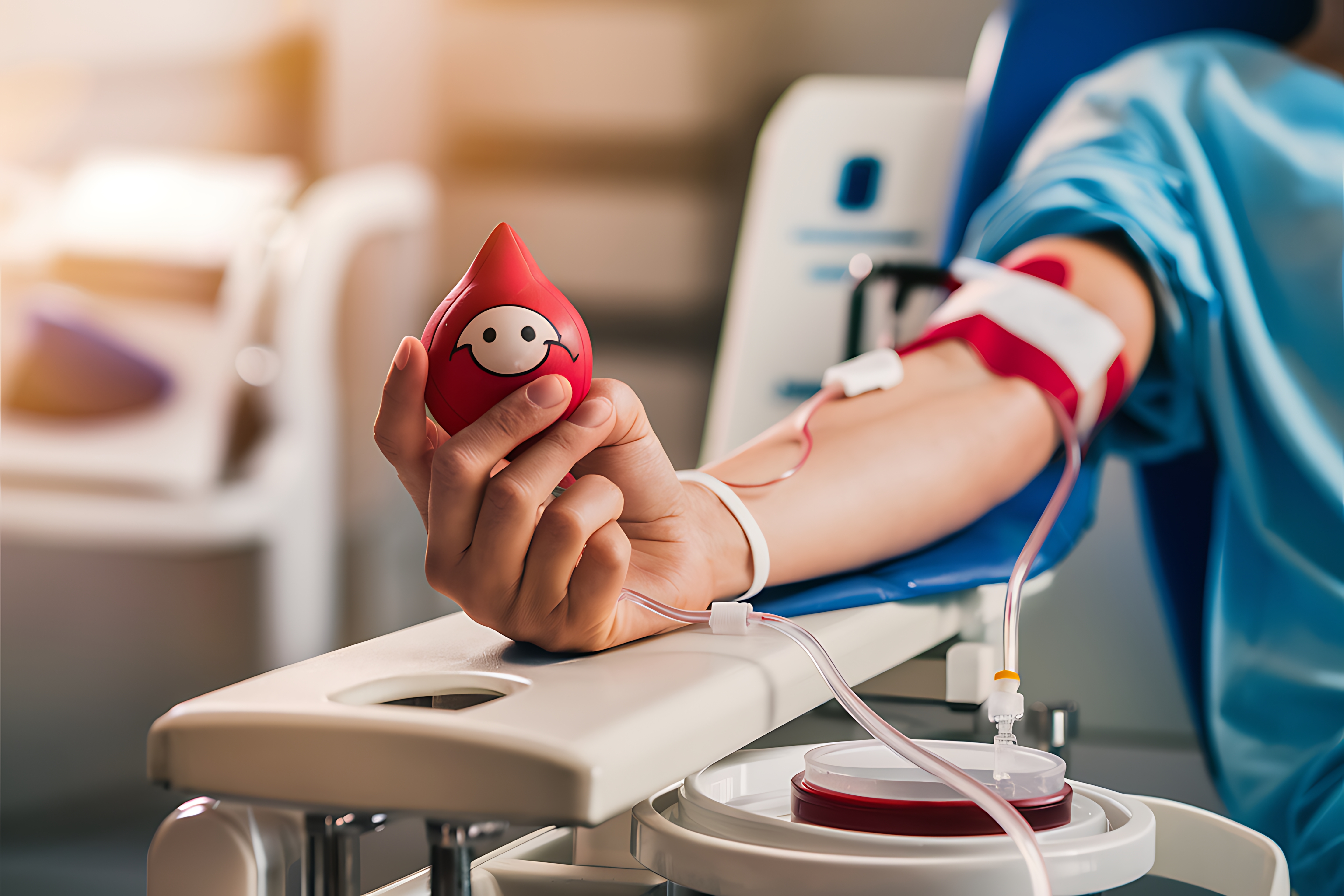
The Importance of Donation in Saving Lives
Every day, lives are saved because someone donated. Whether it is blood, organs, or tissue, donations offer hope to people in need. For many, a donation is the only chance to survive or recover. In fact, the World Health Organization (WHO) states that blood transfusions save millions of lives each year. Because of generous donors, families stay together, and communities grow stronger. When you donate, you give someone a second chance at life.
Types of Donations That Save Lives
There are several types of life-saving donations. Each type helps people in different ways. For example, some donations are used in emergencies, while others help with long-term health problems. Here are the main types:
Because each type of donation meets a unique need, every donor makes a difference.
Real-Life Impact: Stories and Statistics
Every donation tells a story. For instance, a single blood donation can save up to three lives, according to the American Red Cross. In addition, over 100,000 people in the United States are waiting for organ transplants. Sadly, many will not receive one in time. However, when someone donates, families celebrate new birthdays and milestones. Real stories show the power of giving. For example, a heart transplant can turn a life-threatening illness into a new beginning. Because of donors, children return to school, and parents return to work. These stories inspire others to help.
How the Donation Process Works
The donation process is safe and simple for most people. First, you register as a donor. Next, you may have a health check to make sure you can donate. For blood donation, the process usually takes less than an hour. Organ and tissue donation often happen after death, but some organs, like kidneys, can be donated while alive. After donation, medical teams handle everything with care and respect. Because the process is well-organized, donors and families can feel confident and supported.
Who Can Donate and How to Get Involved
Many people can become donors. In most cases, you need to be healthy and meet age or weight limits. For blood donation, you must be at least 16 or 17 years old, depending on your area. Organ and tissue donation rules may vary, but even older adults can often donate. To get involved:
Because every donor counts, your action can inspire others to join.
Common Myths and Facts About Donation
Many people worry about donation because of myths. However, facts show that donation is safe and important. Here are some common myths and the truth:
Because facts matter, learning the truth helps more people choose to donate.
Steps to Become a Donor
Becoming a donor is easy. Follow these steps to help save lives:
Because each step brings you closer to saving lives, start today.
Prevention and Lifestyle Guidance for Donors and Recipients
Healthy habits help both donors and recipients. For example, eat a balanced diet and stay active. Avoid smoking and limit alcohol. Regular check-ups keep you healthy enough to donate. If you are a recipient, follow your doctor’s advice and take medicines as directed. Because good health supports safe donation, everyone benefits from healthy choices.
Every day, lives are saved because someone donated. You can be the reason someone gets a second chance. Consult a local donation center or healthcare provider to learn how you can help save lives today.
Every Day, Lives Are Saved Because Someone Donated