
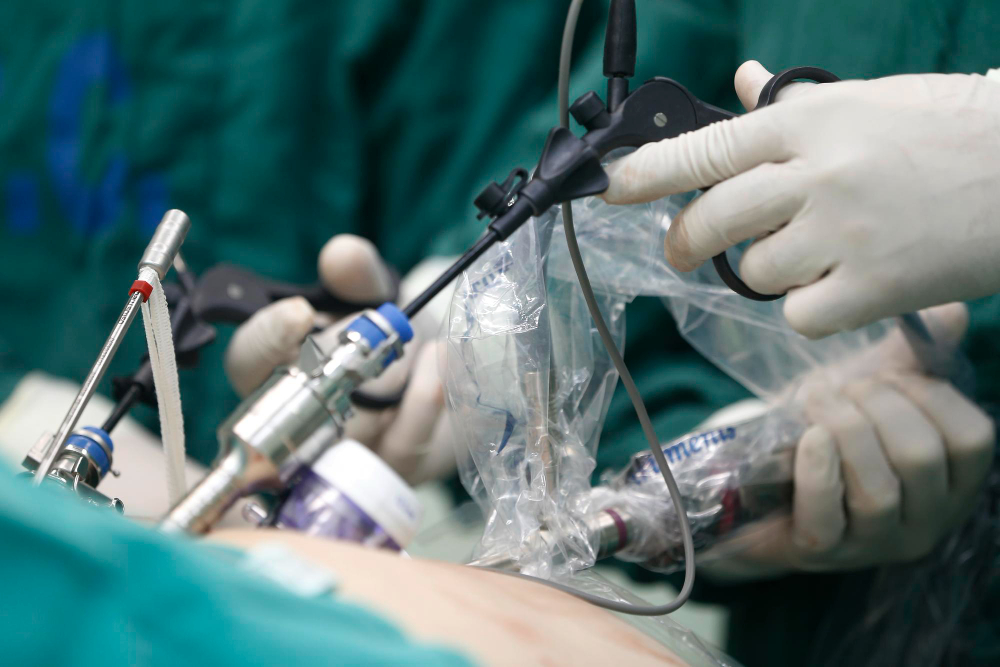
What Is a Laparoscopic Appendectomy?
Laparoscopic appendectomy is a minimally invasive appendix surgery. Doctors use this method to remove an inflamed appendix. The appendix is a small organ in your lower right belly. When it gets infected, it causes appendicitis. If not treated, appendicitis can become serious. Therefore, doctors often recommend surgery. In laparoscopic appendectomy, surgeons use small cuts and special tools. This helps patients recover faster and with less pain than open surgery.
Common Symptoms Leading to the Procedure
Appendicitis often starts with pain near the belly button. Soon, the pain moves to the lower right side. Other symptoms may include:
If you notice these signs, you should seek medical help right away. Quick action can prevent serious problems.
Causes of Appendicitis
Appendicitis happens when the appendix gets blocked. This blockage can be caused by:
Because the blockage traps bacteria, the appendix swells and becomes infected. If not treated, it can burst. This is why doctors often suggest surgery quickly.
How Laparoscopic Appendectomy Is Performed
Doctors perform laparoscopic appendectomy using a few small cuts. Here is a step-by-step overview:
This method is called minimally invasive appendix surgery. Because the cuts are small, you usually heal faster.
Benefits of Laparoscopic Surgery Over Open Surgery
Laparoscopic appendectomy offers many benefits compared to open surgery. For example:
According to the CDC, minimally invasive appendix surgery often leads to better outcomes for most patients.
Potential Risks and Complications
Like all surgeries, laparoscopic appendectomy has some risks. However, most people recover without problems. Possible risks include:
Although these risks are rare, you should talk to your doctor about appendectomy risks before surgery.
Recovery Process and Aftercare Tips
Most people recover quickly after a laparoscopic appendectomy. Usually, you can go home within one or two days. Here are some tips for a smooth recovery:
Because everyone heals differently, always follow your doctor’s instructions. If you notice any problems, contact your healthcare provider right away.
Prevention and Lifestyle Guidance
There is no sure way to prevent appendicitis. However, some healthy habits may help lower your risk. For example:
Although these steps may not fully prevent appendicitis, they support good digestive health.
Conclusion
Laparoscopic appendectomy is a safe and effective way to treat appendicitis. Because it is minimally invasive, recovery is often quick and smooth. However, every surgery has risks. Therefore, consult a healthcare professional for personalized advice about laparoscopic appendectomy.