
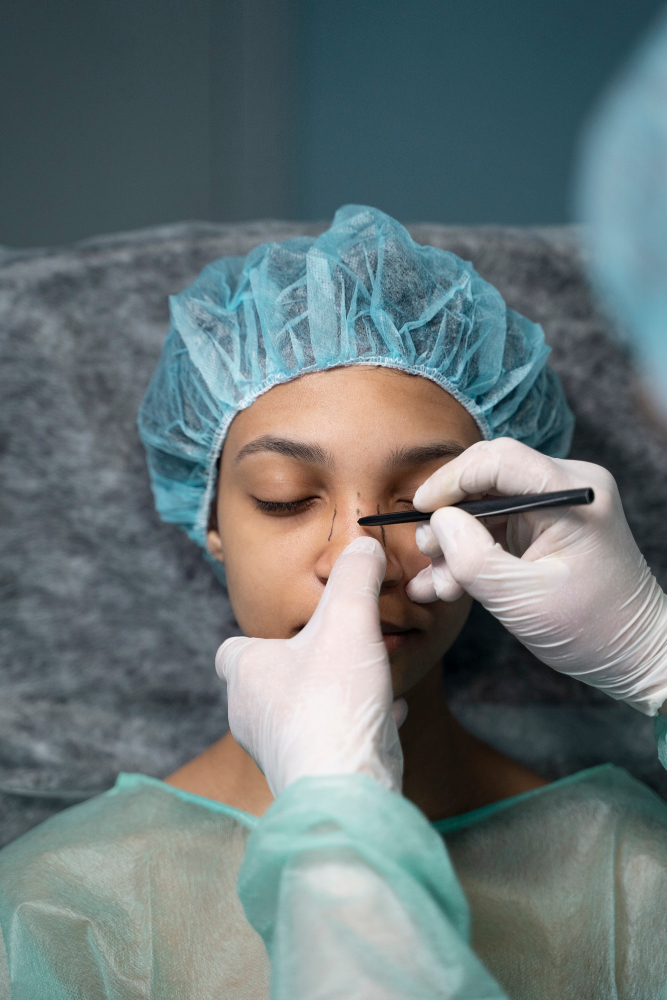
What Is Rhinoplasty?
Rhinoplasty, often called nose reshaping surgery, is a procedure to change the shape or size of the nose. Many people choose rhinoplasty for cosmetic reasons, while others need it to fix breathing problems. In simple terms, rhinoplasty can help improve how your nose looks or works. According to the American Society of Plastic Surgeons, it is one of the most common cosmetic surgeries worldwide.
Common Reasons for Rhinoplasty
People consider rhinoplasty for several reasons. For example, some want to change the shape of their nose for a more balanced look. Others need surgery to fix a birth defect or injury. Sometimes, doctors recommend rhinoplasty to help with breathing issues caused by a crooked nose or other problems. Here are some common reasons:
Who Is a Good Candidate?
Not everyone is a good candidate for rhinoplasty. However, you may be a good fit if you are healthy and have realistic goals. Most surgeons recommend waiting until the nose has finished growing. For girls, this is usually around age 15 or 16. For boys, it may be a bit later. Good candidates:
The Rhinoplasty Procedure: Steps and Expectations
Before surgery, you will meet with your surgeon to discuss your goals. During this visit, the doctor will examine your nose and may take photos. On the day of surgery, you will receive anesthesia to keep you comfortable. The surgeon will then make small cuts inside or outside the nose. Next, they reshape the bone and cartilage as needed. After that, the skin is placed back, and the cuts are closed. Most rhinoplasty procedures take one to two hours. You can usually go home the same day.
Recovery and Aftercare
After rhinoplasty, you will need time to heal. At first, your nose may feel swollen or bruised. You might also have a splint on your nose for support. Most people return to normal activities within one to two weeks. However, it can take several months for all swelling to go away. For a smooth recovery, follow these tips:
Risks and Potential Complications
Like any surgery, rhinoplasty has some risks. While most people heal well, problems can happen. For example, you might have bleeding, infection, or a reaction to anesthesia. Other possible risks include:
According to the Mayo Clinic, choosing a skilled surgeon can help lower these risks.
Results: What to Expect
Rhinoplasty results can be life-changing. However, it is important to be patient. Swelling may hide the final shape for several months. Most people see the full results after about one year. While many are happy with their new look, some may need a second surgery for best results. Remember, a good outcome depends on clear goals and open communication with your surgeon.
Tips for Choosing a Qualified Surgeon
Choosing the right surgeon is key for a safe and successful rhinoplasty. Here are some tips to help you decide:
Additionally, always ask questions about the procedure, risks, and recovery.
Frequently Asked Questions
In summary, rhinoplasty can improve both the look and function of your nose. However, it is important to have clear goals and choose a skilled surgeon. For personalized advice on rhinoplasty, consult a board-certified plastic surgeon.