
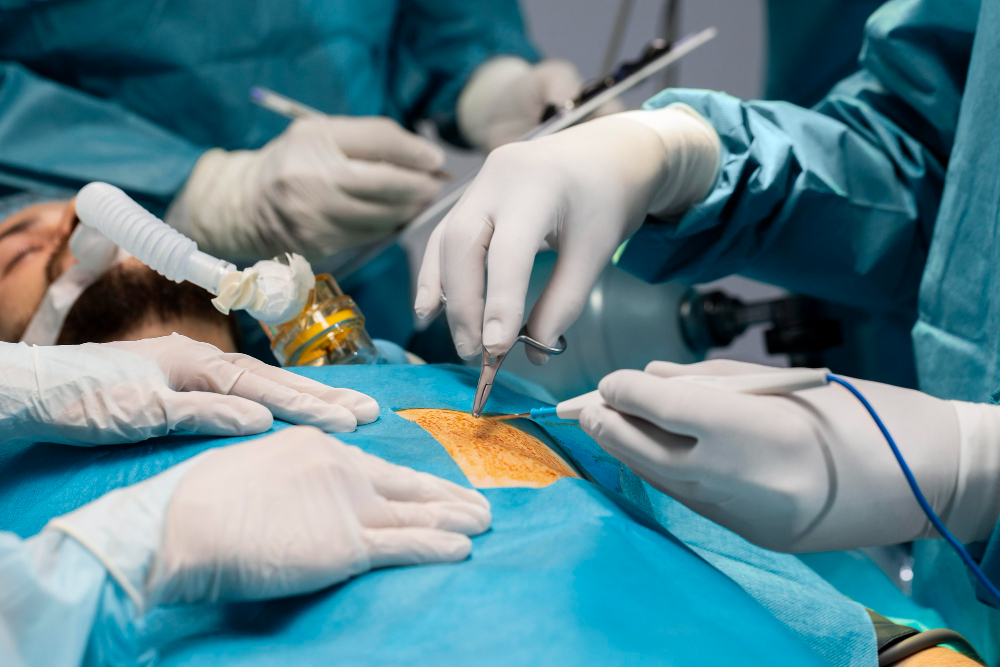
What is Hernia Repair?
Hernia repair is a medical procedure to fix a hernia. A hernia happens when an organ or tissue pushes through a weak spot in the muscle or tissue wall. Often, hernias appear in the belly or groin area. Hernia repair surgery is common and helps prevent pain or serious problems. Many people need hernia repair to feel better and stay healthy.
Symptoms Indicating the Need for Hernia Repair
Sometimes, hernias do not cause any symptoms. However, you may notice signs that suggest you need hernia repair. For example, you might see or feel a lump in your belly or groin. This lump may get bigger when you stand, cough, or lift something heavy. In addition, you may feel pain or discomfort, especially when bending or lifting. If you notice any of these symptoms, it is important to talk to your doctor.
Sometimes, hernias can cause serious problems. If you have sudden pain, nausea, vomiting, or the lump cannot be pushed back in, seek medical help right away.
Causes and Risk Factors
Hernias can happen for many reasons. Often, they develop when muscles become weak or strained. For instance, heavy lifting, chronic coughing, or straining during bowel movements can increase your risk. In addition, some people are born with weak muscles that make hernias more likely.
As you age, your muscles may weaken, making hernias more common. Men are also more likely to get certain types of hernias.
Diagnosis of Hernias
Doctors can often diagnose a hernia during a physical exam. Usually, they will ask about your symptoms and check for a lump or bulge. Sometimes, they may ask you to cough or stand to make the hernia more visible. If the diagnosis is not clear, your doctor may order imaging tests. For example, an ultrasound, CT scan, or MRI can help confirm the hernia and show its size.
Early diagnosis is important. This helps prevent complications and allows for timely hernia repair if needed.
Treatment Options for Hernia Repair
Not all hernias need surgery right away. Sometimes, doctors may suggest watchful waiting if the hernia is small and not causing pain. However, most hernias do not heal on their own. If you have symptoms or the hernia is growing, hernia repair surgery is often recommended.
Your doctor will help you choose the best hernia treatment option based on your health and hernia type. According to the CDC, both methods are safe and effective for most people.
Recovery and Aftercare
After hernia repair surgery, most people go home the same day. However, you may need a few days to rest and recover. It is important to follow your doctor’s instructions for the best results. For example, avoid heavy lifting or strenuous activity for several weeks. In addition, keep the surgical area clean and dry to prevent infection.
Most people return to normal activities within a few weeks. However, recovery time may vary based on the type of hernia repair surgery and your overall health.
Prevention Tips
While not all hernias can be prevented, you can lower your risk with healthy habits. For instance, maintain a healthy weight and eat foods high in fiber to prevent constipation. In addition, use proper lifting techniques and avoid heavy lifting when possible.
By following these tips, you can help protect your muscles and lower your risk of needing hernia repair in the future.
Conclusion
Hernia repair is a safe and common procedure that can relieve pain and prevent complications. If you notice hernia symptoms or have concerns, consult a healthcare specialist for personalized advice on hernia repair.