
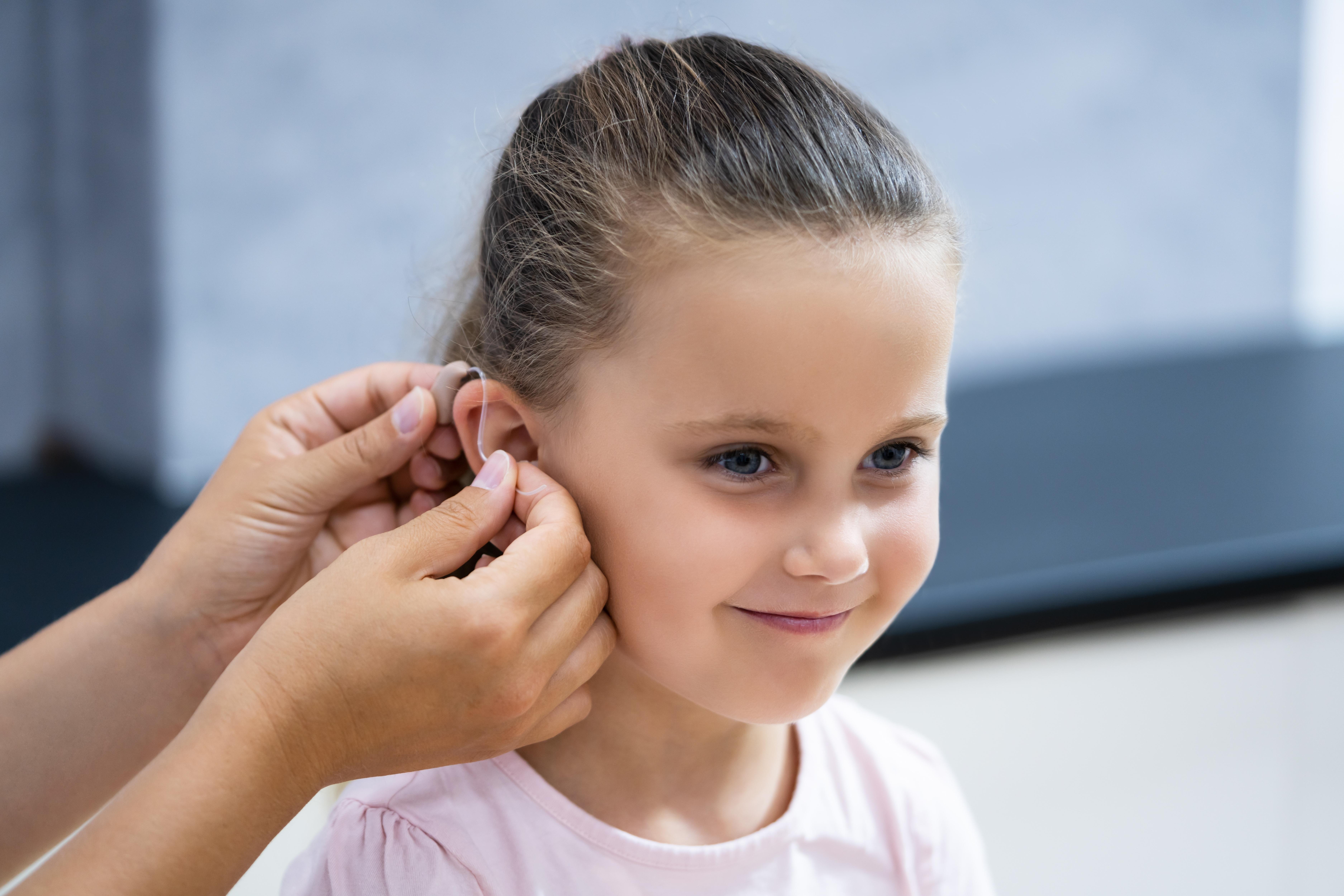
Introduction: Why Early Action Matters
Mild hearing loss in children means a child has trouble hearing soft sounds. Even though it may seem minor, this type of hearing loss can affect a child’s growth. Early hearing aids for children can make a big difference. In fact, early help supports speech, learning, and social skills. Without quick action, mild hearing loss in children can lead to bigger problems later. That is why early intervention is so important.
What Is Mild Hearing Loss in Children?
Mild hearing loss means a child cannot hear sounds between 20 and 40 decibels. For example, they may miss soft voices or quiet classroom sounds. Although the loss is not severe, it still affects daily life. Children with mild hearing loss may not notice the problem at first. However, even small hearing issues can impact learning and social growth.
Common Symptoms and Early Signs
It is important to spot signs of mild hearing loss early. Some common symptoms include:
Sometimes, children may seem distracted or shy. But, these behaviors can be linked to hearing loss.
Causes and Risk Factors
There are many reasons why a child may develop mild hearing loss. Some common causes include:
Additionally, some children are born with hearing loss. Others may develop it later due to injury or illness.
How Mild Hearing Loss Affects Speech, Learning, and Social Development
Even mild hearing loss can have a big impact. For instance, children may miss key sounds in words. As a result, they might struggle to learn new words or speak clearly. Over time, this can slow reading and writing skills. In school, children may find it hard to follow lessons or join group activities. Socially, they may feel left out or frustrated. According to the CDC, untreated mild hearing loss can lead to delays in speech and language development. Therefore, early help is vital for healthy growth.
Importance of Early Diagnosis and Intervention
Early diagnosis is the first step to helping your child. When hearing loss is found early, treatment can start right away. This gives children the best chance to develop normal speech and learning skills. In fact, the World Health Organization says early intervention leads to better outcomes. So, regular hearing checks are important, especially if your child is at risk.
How Hearing Aids Help: Benefits and Outcomes
Hearing aids for children with mild hearing loss offer many benefits. For example, they help children hear soft sounds and speech more clearly. This supports better learning and social skills. Some key benefits include:
Studies show that early hearing aids for children lead to better long-term results. Therefore, do not wait to seek help.
Addressing Myths and Concerns About Hearing Aids in Children
Many parents worry about hearing aids for their child. However, modern hearing aids are small and comfortable. Some people think hearing aids are only for severe hearing loss. But, even mild hearing loss in children can benefit from them. Others worry about teasing at school. Yet, most children adjust well and feel more included. If you have concerns, talk to a pediatric audiologist. They can answer your questions and guide you.
Prevention Tips and Parental Guidance
While not all hearing loss can be prevented, you can take steps to protect your child’s hearing:
Additionally, support your child at home and in school. Early help makes a big difference.
Conclusion: Take Action Early
In summary, mild hearing loss in children is not a minor issue. Early hearing aids for children can prevent learning and social problems. If you notice any signs, act quickly. Consult a pediatric audiologist for personalized advice on childhood hearing loss.